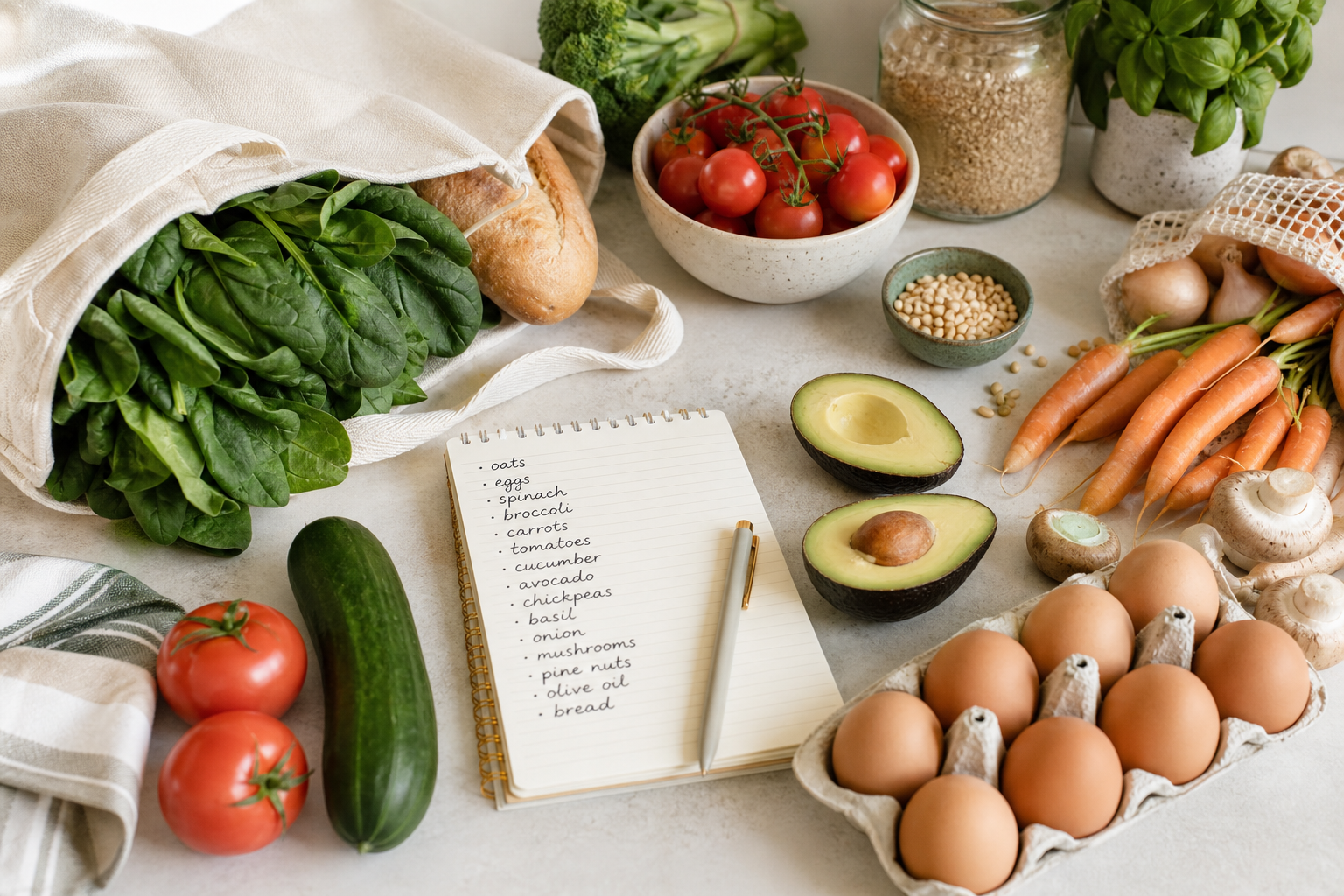
Fixed Calendars Reduce Daily Choices When Energy Runs Low
A rigid calendar sets every dinner slot in advance, often on the weekend when one partner has slightly more bandwidth. The list stays short—five or six repeatable meals—and the same ingredients appear across multiple days so shopping stays limited to one or two trips. Because the sequence never changes midweek, grocery quantities can be calculated once and leftovers slotted into later slots without extra thought. The structure helps when both parents wake several times a night; the only decision left is reheating what the calendar already named.
Yet the same predictability can create friction if an ingredient runs out or a simple craving shifts. A fixed plan offers little room to swap a heavy casserole for something lighter on a night when the baby cluster-feeds until late. Waste can creep in if portions were calculated for two adults and the actual appetite is smaller because of exhaustion.
Theme Nights Trade Structure for Built-In Flexibility
Theme nights group dinners by category rather than exact recipe: one night for grain bowls, another for soup and toast, a third for pasta with whatever vegetables are on hand. The framework still removes the blank-slate question at 5 p.m., but it allows the cook to use whatever produce survived the week or whatever protein thawed first. Shopping lists become shorter because the categories share staples—rice, broth, eggs, canned tomatoes—while the actual combinations change.
The looseness helps on evenings when one parent handles bedtime alone and the other needs ten minutes rather than thirty to assemble food. It also tolerates small household changes, such as a sudden need for softer textures during teething weeks. The tradeoff appears in consistency; without a written sequence, it is easier to repeat the same two themes until the household tires of them or to overlook a vegetable that then spoils.
When a Fixed Calendar Outperforms Theme Nights
A rigid calendar tends to win in the earliest postpartum weeks when both parents operate on fragmented sleep and prefer zero improvisation. The pre-set list pairs naturally with a single shopping trip and a pantry inventory that tracks what remains, so the household avoids midweek store runs that cut into nap time. It also supports steadier nutrition because the same balanced meals rotate rather than defaulting to whatever is fastest.
This approach shows its limits once the baby’s schedule begins to shift or when one parent returns to work with unpredictable hours. At that point the calendar can feel brittle if an ingredient is missing or a meal no longer appeals.
When Theme Nights Offer Clearer Advantages
Theme nights become more useful once the household has passed the first six weeks and small variations in energy or appetite appear regularly. The categories let parents adjust portion sizes or swap ingredients without rewriting an entire week. Grocery lists still flow from the themes, yet they stay broad enough that a single extra bunch of greens or carton of broth can serve multiple nights. Waste drops because the system tolerates using what is already on hand rather than forcing a rigid recipe.
The method weakens if the themes are too vague; without at least a short list of reliable combinations, parents can still stand in front of the refrigerator unsure what counts as a “bowl night.”
Combining Elements Without Overplanning
Many households start with a short fixed calendar for the first half of the week and shift to theme nights for the second half, when fatigue peaks again. The hybrid keeps the shopping list anchored to concrete meals early in the week while allowing later evenings to use whatever remains. Either pattern benefits from writing the chosen approach once, printing or saving it, and referring to it rather than re-deciding nightly. Over time the household learns which meals actually survive a week of interrupted sleep and which ones quietly increase the load.
Parents who want help turning either structure into a shared list and calendar can explore myDinnerPlan. Register to test a simple version of the system.
Ready to put this into practice? Plan your week with myDinnerPlan.
Create free account