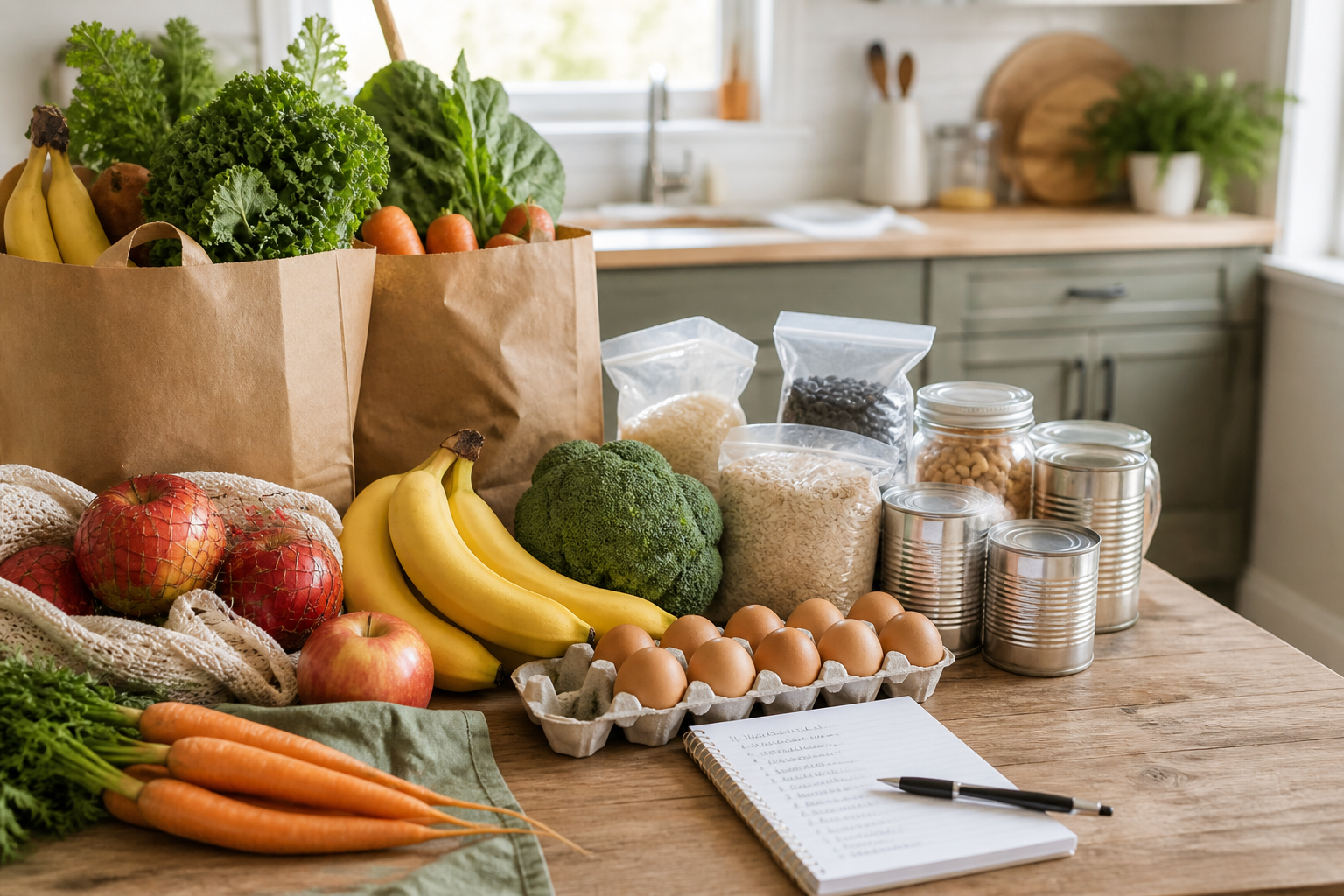
A single batch of seasoned black beans can anchor four distinct vegetarian dinners across the week, turning one cooking session into varied meals that accommodate different preferences without requiring separate ingredient lists or repeated chopping. The approach keeps the focus on a reliable protein base while rotating produce, grains, and simple accents so the same household can enjoy tacos one night, peppers another, quesadillas later, and still have room for a fourth variation built from the remaining pantry items.
Cooking a Flexible Base Batch of Black Beans
Start with two pounds of dried black beans, sorted and rinsed, then soaked overnight in a large pot with enough water to cover by several inches. The next day, drain and return the beans to the pot with fresh water, a couple of bay leaves, a quartered onion, and several smashed garlic cloves. Bring to a gentle simmer and cook until the beans are tender but still hold their shape, which usually takes two to three hours depending on the age of the beans. Salt only in the final half hour so the skins do not toughen.
Once the beans are cooked, remove the aromatics and divide the batch into four roughly equal portions while the liquid is still warm. One portion stays plain for later customization; the remaining three receive different seasoning profiles directly in the pot. For the first, stir in cumin, smoked paprika, and a pinch of dried oregano. For the second, add mild chili powder and a small amount of ground coriander. The third gets a touch of lime zest and a few drops of liquid smoke if a deeper savory note is desired. Each seasoned portion can be cooled, portioned into containers, and refrigerated for up to five days or frozen for longer storage. The key is keeping the seasoning moderate so that additional fresh ingredients later in the week do not compete with an already aggressive flavor.
This method reduces the number of times the stove needs to be used while still allowing each meal to taste distinct. Families often find that having the beans already cooked removes the barrier of deciding what counts as a complete dinner on nights when energy is low. The liquid left in the pot can be reserved and used in place of some of the broth or water in subsequent dishes, adding body and preventing waste.
First Use: Black Bean Tacos with Fresh Toppings
The first evening uses the cumin-and-paprika portion. Warm corn tortillas on a dry skillet and fill them with a scoop of the beans, which can be lightly mashed if a creamier texture is preferred. Set out small bowls of shredded cabbage, diced tomatoes, sliced radishes, and a simple cilantro-lime mixture made from whatever herbs are already on hand. Avocado or a quick pickled onion can be added if they fit the week’s produce rhythm.
The advantage here is speed once the beans are ready; assembly takes less than ten minutes. Tradeoffs appear in the choice of tortillas versus lettuce wraps or in whether to include cheese for those who want it. Because the seasoning is already present, the fresh toppings can stay bright and acidic rather than needing to carry the entire flavor load. Leftovers from this meal travel well the next day as a cold salad if anyone prefers a lunch option instead of another hot dinner.
Second Use: Stuffed Peppers Filled with Beans and Rice
The second dinner draws from the chili-powder batch. Halve and seed several bell peppers, then par-cook them briefly in the oven so they soften without collapsing. Cook a pot of rice while the peppers roast; once the rice is done, fold in the beans along with any remaining chopped onion or tomato that did not get used in the taco night. Spoon the mixture into the pepper halves, top with a light layer of breadcrumbs or cheese if desired, and finish in the oven until the tops brown slightly.
This preparation rewards a bit more oven time in exchange for a more composed plate. The peppers themselves provide moisture and sweetness that balance the earthiness of the beans. Families can adjust the rice-to-bean ratio depending on how many servings are needed or how much grain is already cooked. If one person dislikes peppers, the same filling works inside halved zucchini or simply served over the rice with a side of greens. The method keeps the meal vegetarian without relying on specialty substitutes.
Third Use: Quick Black Bean Quesadillas for Busy Evenings
The third portion, seasoned with lime zest, becomes the base for quesadillas on a night when schedules are fragmented. Mash the beans lightly and spread them between flour tortillas with a modest amount of shredded cheese or a plant-based alternative. Cook the assembled quesadillas on a griddle or skillet until the outsides are crisp and the centers are hot. Serve with any salsa or leftover cabbage slaw from earlier in the week.
The trade-off here is simplicity versus variety; because the beans are already flavored, the quesadillas do not require additional spice mixes at the stove. They can be cut into wedges for smaller appetites or packed for lunchboxes the following day. If the household includes children who prefer milder food, the lime-forward beans can be paired with plain cheese on one side of the griddle and more seasoned beans on the other, allowing different preferences within the same meal.
Shopping List Choices That Extend the Base Without Waste
When planning the supporting ingredients, focus on items that serve multiple roles across the four dinners. Cabbage, for example, can be shredded for tacos, used in a quick slaw beside the quesadillas, and still provide crunch if any remains for a fourth meal built from the plain bean portion. Bell peppers appear in the stuffed-pepper dish but can also be sliced raw for dipping or added to the taco toppings. Rice cooked in one batch covers both the stuffed peppers and any leftover bean-and-rice bowls that close out the week.
Choosing produce that stores well reduces the risk of spoilage. Onions and garlic already used in the bean base can be stretched further into quick pickles or caramelized for extra depth. Pantry staples such as tortillas, rice, and a modest amount of cheese or oil round out the list without introducing specialty items that will sit unused. The result is a shopping list that feels contained rather than sprawling, yet still supports four separate dinners that do not repeat the same plate twice.
If coordinating this across a household appeals, myDinnerPlan can help track the portions and generate the supporting shopping list at /register.
Ready to put this into practice? Plan your week with myDinnerPlan.
Create free account