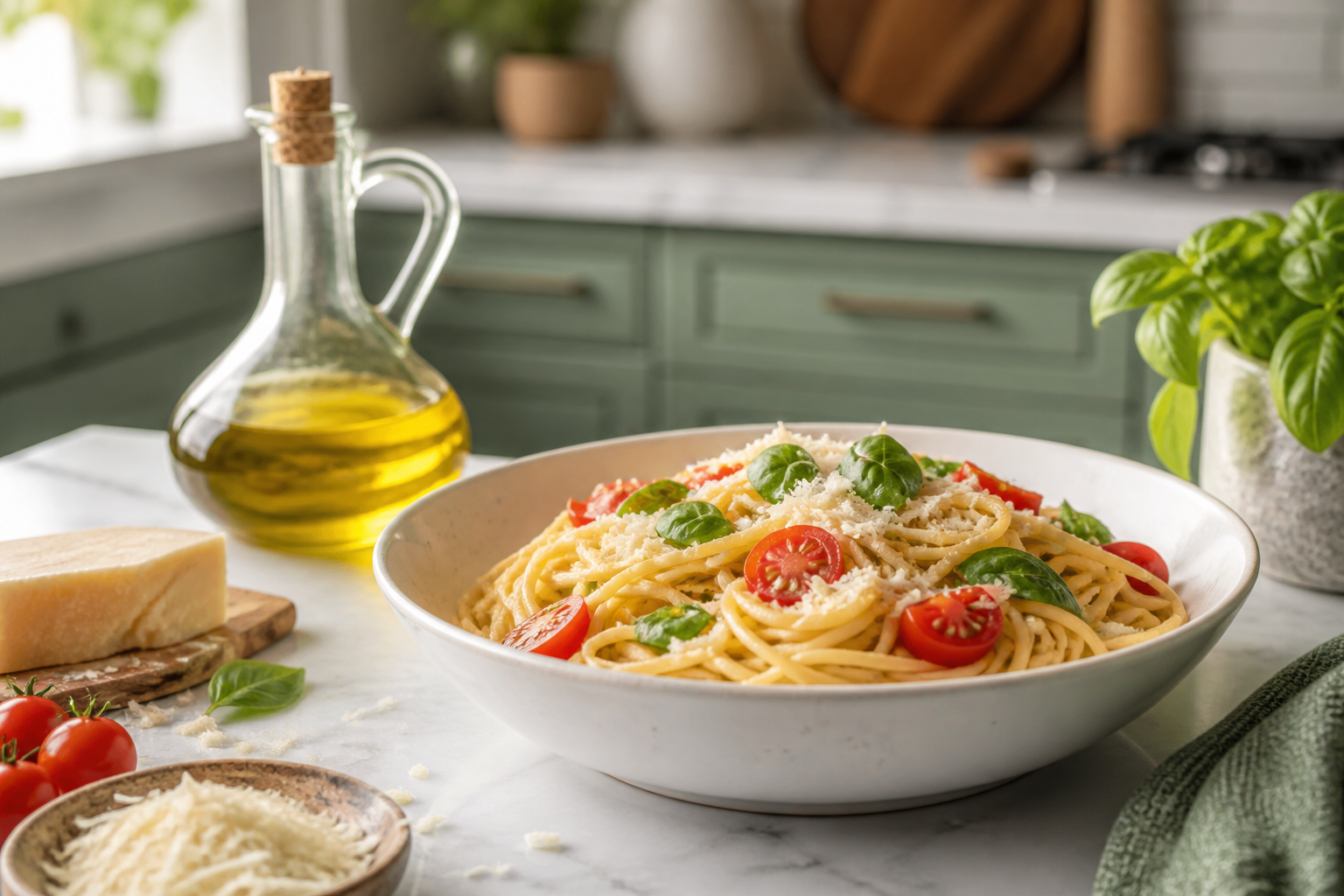
Many home cooks notice that even a well-seasoned main can feel unfinished without sides that supply contrast in texture and flavor. A reliable method starts with four archetypes chosen once from pantry staples, then rotated through the week so every plate gains the missing piece without additional shopping.
Selecting Four Adaptable Side Archetypes
The first archetype is a starch foundation, typically drawn from dried pasta, rice, potatoes, or quick-cooking grains kept in the cupboard. This element supplies bulk and absorbs sauces or drippings from the main. The second is a vegetable component, such as canned tomatoes, frozen greens, or shelf-stable root vegetables that can be simmered or roasted quickly. Its role is to introduce moisture and fiber that the main may lack. The third archetype supplies brightness or acid, often in the form of vinegar-based pickles, bottled lemon juice, or a small jar of capers that cut through richness. The fourth is a finishing richness or crunch, pulled from nuts, seeds, olive oil, or grated hard cheese that add mouthfeel and aroma at the table.
These four are not recipes but categories that can be scaled to whatever quantities remain on the shelf. A cook selects one option from each category at the start of the week, then prepares only what fits the evening’s main. Because the archetypes are defined by function rather than specific ingredients, the same jar of sun-dried tomatoes can serve the vegetable slot one night and the acid slot another when combined with vinegar.
Why Archetypes Finish Meals Without Extra Runs
When the starch foundation is already portioned and waiting, the main does not need to stretch to fill the plate. A simple roast chicken gains substance from reheated rice that has been tossed with a spoonful of the finishing oil, while the vegetable component, perhaps a quick tomato sauce from canned goods, supplies color and moisture that prevents the meal from reading as dry. The acid element, such as a few pickled onions, sharpens the palate between bites and reduces the sense that the plate needs another seasoning pass.
The crunch or richness archetype closes the sensory loop. A sprinkle of toasted seeds over the vegetable component creates contrast that makes the entire plate feel composed rather than assembled. Because each archetype addresses a different sensory gap, the combination tends to satisfy even when the main itself is modest. The method works across protein styles: the same four categories complete a bean stew, a pan-seared fish fillet, or leftover roasted vegetables without requiring separate shopping lists for each.
Where the Method Loses Reliability Midweek
The approach can drift when one archetype runs low before the others. If the starch supply is exhausted by Wednesday, the remaining three categories begin to feel repetitive even though they are still available. Another point of slippage occurs when the chosen vegetable component requires more active time than anticipated; a bag of frozen greens that needs thorough draining before it can be seasoned may be skipped on a rushed evening, leaving the plate without its intended moisture.
Taste fatigue also surfaces when the same acid source is used daily. Repeated lemon juice can flatten rather than lift once the palate adjusts. In households with children or varied preferences, one archetype may be rejected outright, forcing the cook to improvise without a replacement category already in mind. These breakdowns are not failures of the main dish but signals that the initial selection of archetypes needs recalibration rather than new purchases.
Adapting Archetypes to Household Stock and Taste
Adjustment begins by auditing what remains in each category and swapping within the same functional slot. When rice is gone, the starch archetype can shift to quick-cooking barley or even stale bread turned into crumbs and toasted in oil. If the vegetable component is limited to canned corn, it can be combined with a small amount of the acid archetype, such as a splash of vinegar, to create a relish that still supplies the missing freshness.
Taste preferences are accommodated by scaling quantities rather than eliminating categories. A household that finds seeds too assertive can reduce the crunch archetype to a teaspoon of oil drizzled at the table, preserving the textural cue without the flavor intensity. When midweek fatigue appears, the cook can rotate the acid source to a different bottle, such as moving from pickles to a mustard-based dressing made from pantry mustard and oil, keeping the functional role intact. Over time the four archetypes become a mental checklist rather than a rigid list, allowing the same staples to support a wide range of mains while still signaling that the meal is complete.
For those who want a structured way to track these rotations across weeks, myDinnerPlan offers one optional framework. Register at /register to begin mapping the archetypes to your own pantry.
Beyond digital tools, simple notebook entries can achieve similar tracking by listing each archetype once on Sunday and checking off daily uses, which keeps the mental load low while preserving flexibility. Over several weeks this practice reveals patterns in consumption rates, allowing the cook to adjust initial quantities without ever needing a midweek store visit. For instance, households that frequently finish the starch archetype early can begin doubling the weekend prep of grains, storing half in the refrigerator where it reheats without texture loss.
Sample Week Using Fixed Archetypes
Consider a week built around rice as starch, canned tomatoes as vegetable, capers as acid, and toasted pumpkin seeds as crunch. Monday pairs these with pan-seared pork chops: the rice absorbs pan juices, tomatoes simmer into a quick sauce, capers add brininess, and seeds supply contrast. Tuesday reuses the same four with leftover roasted vegetables folded into the rice, the tomatoes thinned into a broth, and capers stirred through at the end. By Wednesday the tomatoes have become a thicker relish mixed with a few seeds, demonstrating how one archetype can migrate roles when the main changes.
Thursday introduces a bean-based main; here the rice is portioned smaller because beans already supply some bulk, while the acid archetype is amplified with extra capers to cut the earthiness. The pattern continues through the weekend, each evening requiring only five to ten minutes of active side work once the archetypes are pre-portioned. The method scales equally well for larger families by simply increasing the base amounts chosen on Sunday.
Handling Dietary Restrictions and Seasonal Shifts
When gluten intolerance removes certain grains from the starch slot, the archetype shifts seamlessly to potatoes or quinoa already on hand. Dairy-free households omit cheese from the richness category and lean instead on olive oil or seeds, maintaining the textural cue. Seasonal changes are accommodated by swapping within categories rather than expanding the list: winter root vegetables replace summer tomatoes without altering the functional purpose of moisture and fiber. This internal rotation prevents the boredom that arises from rigid recipes while still guaranteeing the plate feels balanced.
Long-Term Advantages Beyond Convenience
Sustained use of the four-archetype system gradually reduces grocery spending because every purchase serves multiple functional roles rather than single-recipe needs. Waste drops as well, since odds and ends are assigned to their matching category instead of lingering unused. Over months the cook develops an intuitive sense of proportion, knowing exactly how much acid or crunch will elevate a given main without tasting first. The result is not merely faster weeknight meals but a calmer relationship with the pantry itself, where limited stock no longer signals incompleteness but rather an invitation to recombine existing elements.
Ready to put this into practice? Plan your week with myDinnerPlan.
Create free account