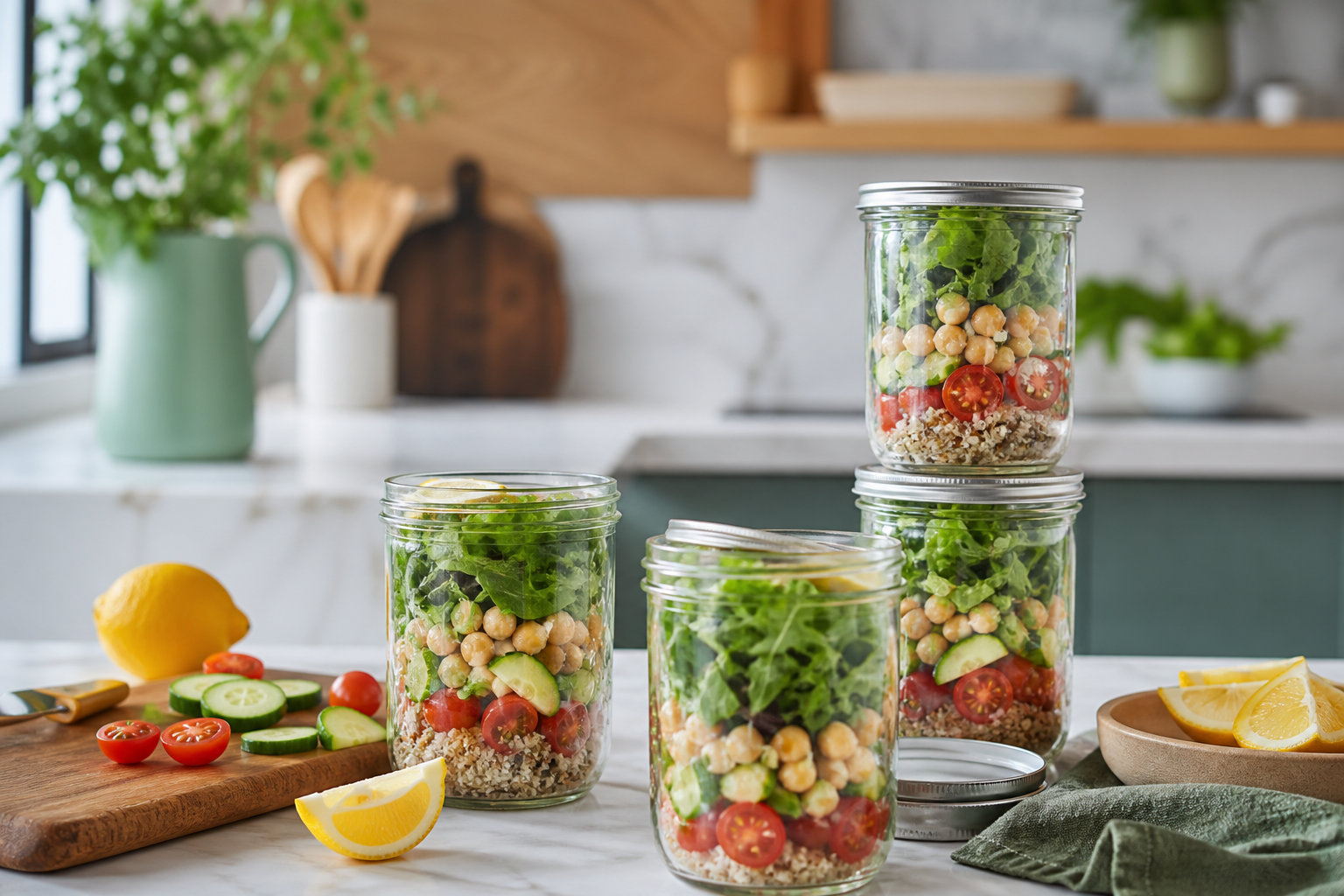
A single large preparation of seasoned beans and rice can anchor several distinct dinners without requiring daily chopping or separate protein sources. The approach works because the base already carries starch, fiber, and savory depth, leaving room for produce and pantry accents to shift the character of each meal. Families who cook this way often notice steadier grocery costs and fewer last-minute ingredient runs, since the foundation stays ready in the refrigerator or freezer for five to seven days.
Selecting and Cooking a Large Bean and Rice Base
Choosing the right beans and rice starts with matching texture and cooking time. Black beans hold their shape better than pinto when simmered for an hour, while kidney beans absorb bold spices without turning mushy. Brown rice adds chew and extra minerals compared with white rice, yet it requires roughly twenty extra minutes on the stove and more liquid. A practical ratio for six to eight servings is two cups of dried beans to three cups of uncooked rice, cooked together in one pot or in two adjacent pots so the flavors mingle during the final ten minutes.
Seasoning the batch early prevents bland portions later. Start with a sofrito of onion, garlic, and bell pepper sautéed in a tablespoon of oil, then add cumin, smoked paprika, oregano, and a pinch of chili powder. Salt goes in after the beans soften, usually after forty minutes of gentle simmering. For extra depth without extra ingredients, a bay leaf or two and a strip of kombu during cooking contribute umami that carries through multiple meals. Pressure-cooker users can cut total time to about forty-five minutes, though the beans finish slightly firmer and may need a quick stovetop simmer afterward to integrate the rice.
Tradeoffs appear when scaling up. A doubled batch saves time per serving but demands a larger pot and careful stirring to avoid scorching at the bottom. Over-seasoning early can limit flexibility; a neutral base seasoned only with salt and garlic allows later additions of curry powder, Italian herbs, or salsa to create different directions without clashing. Taste a spoonful midway through cooking and adjust only the salt at that stage.
Portioning the Batch for Grab-and-Use Flexibility
Once cooked, the mixture cools fastest when spread across two or three sheet pans before transferring to containers. Four-cup portions suit most adult dinners for two, while two-cup containers work well for lunches or smaller households. Glass jars or reusable plastic boxes with tight lids keep moisture even; label each with the date and a simple note such as “base, plain” so future choices remain clear.
Freezing half the batch extends usability beyond a week. Portion into freezer bags laid flat so they stack efficiently, removing as much air as possible. Thaw overnight in the refrigerator rather than at room temperature to maintain texture. Reheating frozen portions on the stovetop with a splash of water or broth restores creaminess that microwave reheating sometimes dries out. A practical schedule might use fresh portions on days one through three, then move to thawed portions for days four through six, keeping the flavor profile consistent while avoiding waste.
Portion size also affects variety later. Larger containers encourage bigger meals such as burrito bowls, while smaller ones pair naturally with soup or salad extensions. If space is limited, consider freezing some as single-serving pucks in a muffin tin first, then transferring the frozen pucks to a bag; this method lets cooks pull exactly the amount needed without thawing an entire container.
Pairing Portions with Produce and Pantry Items for Variety
The same base shifts character through produce and simple pantry moves. One evening the portion might become tacos: warm the beans and rice, spoon them into corn tortillas, and top with shredded cabbage, radish slices, and a squeeze of lime. The next night the same amount can fill stuffed peppers—mix with diced tomatoes and a teaspoon of cumin, then bake under a light layer of cheese or nutritional yeast. A third option turns the base into a skillet hash by adding roasted sweet potatoes, kale, and a fried egg or tofu scramble for contrast.
Pantry items stretch the options further. A can of diced tomatoes plus chili powder and frozen corn creates a quick chili suitable for topping baked potatoes. Coconut milk, curry powder, and spinach produce an Indian-inspired stew finished with a spoonful of yogurt or coconut yogurt. For a lighter plate, fold the base into a grain salad with cucumbers, cherry tomatoes, parsley, and a lemon-tahini dressing. Each variation reuses the core without repeating the exact flavor profile because the added ingredients change both temperature and texture.
Tradeoffs surface when matching produce to season. Summer squash and fresh herbs brighten warm-weather meals, while winter calls for root vegetables and longer cooking times that deepen flavor. Keeping a short list of versatile items—onions, garlic, canned tomatoes, frozen greens, and citrus—reduces shopping while still allowing rotation. The base itself remains neutral enough that even modest additions register as distinct dinners rather than leftovers.
Maintaining Plant-Forward Interest Without Repetition
Repetition becomes noticeable when the same toppings appear night after night. Counter this by rotating cooking methods and serving styles rather than ingredients alone. One meal might emphasize fresh crunch through slaw or raw vegetables, another might rely on roasted vegetables for caramelized edges, and a third might incorporate broth to turn the base into a soup. Changing the vessel—tortilla, bowl, lettuce wrap, or baked potato—also alters perceived variety without new shopping.
Texture contrast helps sustain interest across the week. Adding toasted seeds or nuts provides crunch against the soft base; pickled onions or quick cucumber slices introduce acidity that wakes up milder portions. When the batch begins to feel familiar, a small amount of new seasoning stirred in at reheating time—such as harissa, miso, or za’atar—shifts the direction more effectively than an entirely new recipe. These adjustments stay inexpensive because they build on what is already prepared.
Cooks who plan these meals in advance often find the process smoother when they note three or four intended pairings at the start of the week rather than deciding each afternoon. This light structure keeps the bean-and-rice foundation useful while still leaving space for market finds or garden extras. For readers who want a simple place to record portions, track expirations, and auto-generate shopping lists around such batches, myDinnerPlan offers one option at /register.
Ready to put this into practice? Plan your week with myDinnerPlan.
Create free account