One air fryer session with salmon fillets creates a flexible base that supports varied dinners through simple side swaps and sauce choices. The method centers on preparing a modest batch of the fish once, then drawing from it across several evenings while the surrounding elements change. This keeps the protein consistent in texture and seasoning yet open to different vegetable companions and finishing touches drawn from the pantry.
Choosing and Seasoning a Single Salmon Batch for Air Fryer Cooking
Selecting fillets for this kind of reuse begins with attention to thickness and freshness. Pieces between one and one-and-a-quarter inches work best because they reach an internal temperature of 145 degrees without drying on the exterior. Skin-on fillets hold moisture more reliably during the initial cook, though skinless portions are easier to portion later if storage space is limited. Buying a single two-pound piece rather than several small ones reduces handling time and ensures even seasoning distribution.
Seasoning at this stage should remain restrained so later additions can build on the base rather than compete with it. A light brush of neutral oil followed by kosher salt, cracked black pepper, and a small amount of smoked paprika provides enough character for the fish itself while leaving room for citrus, herbs, or chili elements added at reheating. Over-application of garlic powder or dried herbs at the first step tends to mute brighter accents that appear in subsequent meals. Testing a single fillet first reveals how the air fryer’s fan affects browning on that particular model; some units require a quick flip halfway through the eight-to-ten-minute cycle, while others achieve uniform color without intervention.
Tradeoffs appear quickly when volume increases. A larger batch stretches the initial effort across more servings, yet it also demands immediate attention to cooling and storage once the cook finishes. Smaller batches preserve flexibility for households that prefer variety every night but increase the frequency of equipment use. The air fryer’s basket size often dictates the practical limit; overcrowding reduces airflow and produces uneven results, so spacing fillets in a single layer remains the safer choice even if it means two shorter sessions rather than one long one.
Portioning Cooked Fillets for Storage and Rapid Retrieval
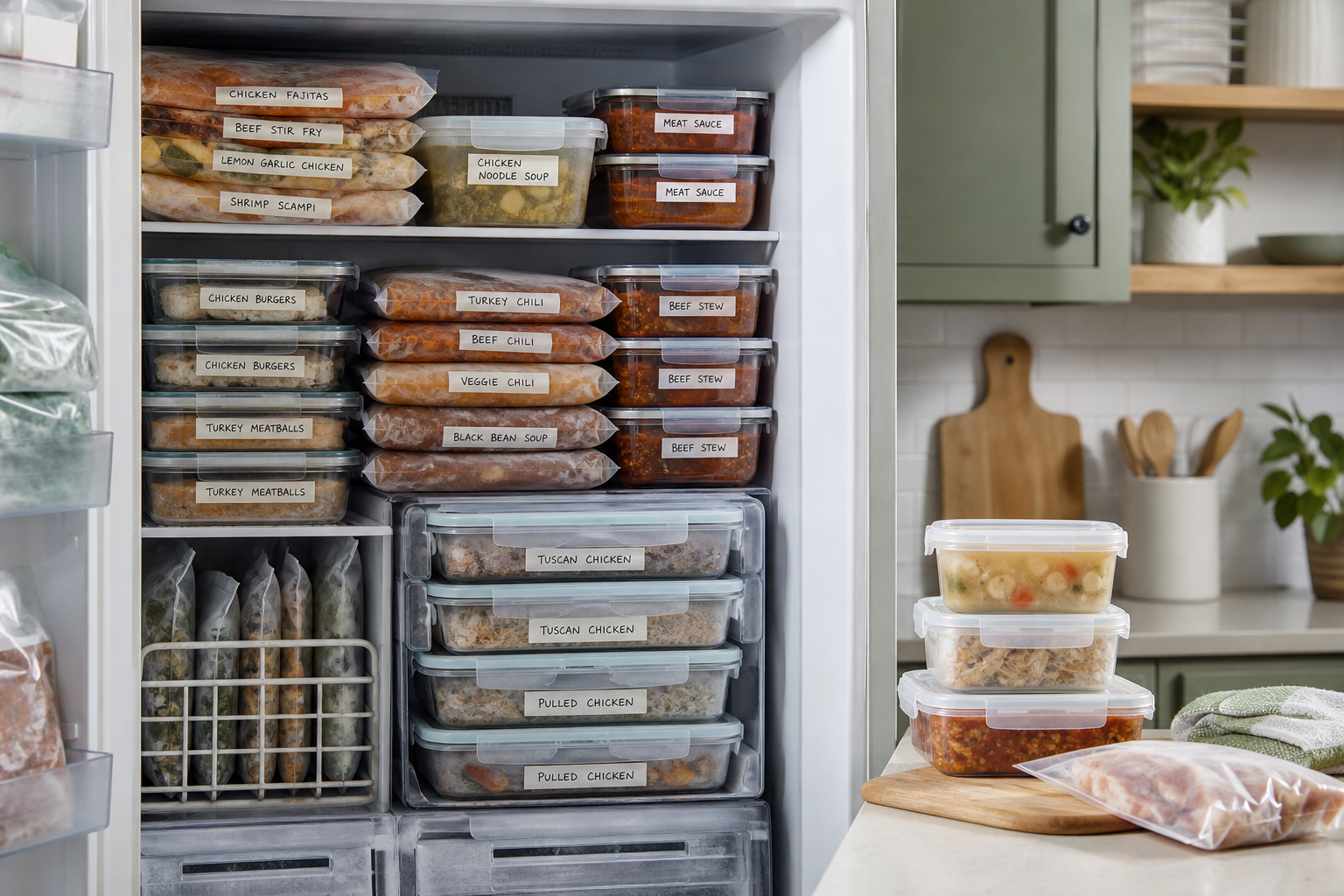
After the fish reaches the target temperature, prompt cooling prevents carryover cooking from pushing the texture into dryness. Transferring the fillets to a rimmed sheet pan and placing that pan in the refrigerator uncovered for twenty minutes allows steam to escape without forming condensation inside later containers. Once cooled, dividing the fish into meal-sized portions of four to six ounces each makes retrieval straightforward. Vacuum-seal bags or shallow glass containers with tight lids both work; the former saves freezer space, while the latter allows portions to be moved directly to the microwave or skillet without thawing if the plan calls for same-day use.
Labeling matters more than it first appears. Noting the cook date and the mild seasoning profile on each container avoids confusion when the batch is pulled weeks later. Freezing portions flat on a tray before stacking prevents them from freezing into a single block, which simplifies grabbing exactly the amount needed. Thawing overnight in the refrigerator keeps the flesh intact, whereas quick thawing under cold water can introduce excess moisture that affects how sauces cling during the second heating.
The main constraint here is time between the initial cook and the next use. Portions held in the refrigerator stay at peak quality for three days; beyond that, freezing becomes necessary. Reheating should stay gentle—low oven heat or a covered skillet with a splash of broth—to avoid toughening the already-cooked protein. Direct high-heat methods tend to dry the exterior before the center warms through.
Pairing the Base With Different Produce and Pantry Sauces
Once portions are ready, the surrounding plate can shift without additional protein planning. A fillet reheated with roasted broccoli and a yogurt-dill sauce reads as one style of meal, while the same fish paired with sautéed spinach, lemon zest, and a quick tomato-caper pan sauce shifts the profile noticeably. The key is choosing produce that cooks in roughly the same window as the reheated salmon so the entire plate finishes together. Root vegetables or sturdy greens tolerate the time needed to warm the fish gently, whereas delicate lettuces or fresh herbs work better as finishing touches added after the plate leaves the heat.
Pantry sauces provide the fastest variation. A jarred harissa thinned with olive oil and a squeeze of orange creates one direction; a simple mixture of soy, rice vinegar, and sesame oil creates another. These additions require no more than a minute of whisking yet change the perceived cuisine without new shopping. The constraint is balance: strong sauces can overwhelm the mild salmon if applied too liberally, so starting with a small amount and adjusting at the table preserves the original seasoning investment.
Tradeoffs surface around produce availability. Frozen vegetables offer consistency and reduce waste when fresh options are limited, yet they release more liquid during cooking and can dilute pan sauces unless drained first. Fresh produce, when in season, brings brighter color and texture contrast but demands more frequent market trips. Keeping a short list of reliable combinations—such as salmon with asparagus and mustard vinaigrette, or salmon with cabbage slaw and peanut-lime dressing—helps when time is short yet still allows last-minute swaps based on what is already in the crisper.
Generating Shopping Lists From the Core Protein and Add-Ins
Planning around a prepared salmon base simplifies the rest of the list because the protein is already accounted for. The remaining items fall into repeatable categories: a vegetable that roasts or sautés well, a sauce component that keeps in the pantry or refrigerator for several weeks, and one or two fresh accents such as citrus or herbs that brighten the plate. Writing the list this way rather than by individual meals reduces duplication; one bunch of parsley, for example, can finish multiple variations if the portions are modest.
The process gains efficiency when the same add-ins appear across different combinations. Olive oil, vinegar, and a few spices serve as the foundation for several sauces, while seasonal vegetables rotate in as they appear. This approach also reveals gaps early: if the vegetable drawer is empty midweek, the list highlights exactly what needs replenishment without requiring an entire new menu.
myDinnerPlan can help track these recurring elements across a week when the pattern becomes routine. Readers ready to put the method into practice can register here to begin organizing their own lists.
Ready to put this into practice? Plan your week with myDinnerPlan.
Create free account